
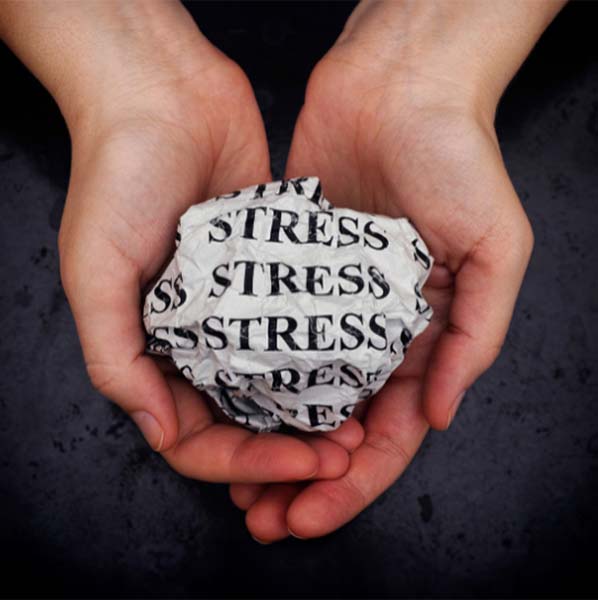
When pressure becomes constant, it can leave you feeling mentally overloaded, tense, restless, or exhausted. Tasks take longer than they should, concentration suffers, and even when you finally have time to relax, it can be difficult to switch off and recover. This creates even more pressure and makes it harder to return to a relaxed and balanced state.
Over time, stress can begin to affect your performance, your sleep, your relationships, and your ability to enjoy everyday life.
While classical relaxation techniques may bring temporary relief, hypnosis and self-hypnosis can offer a deeper approach.
By learning to access your own inner resources more easily, you can restore a sense of calm, balance, and resilience — and gain a practical tool you can use whenever life becomes demanding.
What changes
Many people arrive feeling mentally overloaded, tense, tired, restless — not quite knowing how to get on top of it.
After two days, participants often experience:
- More calmness and clarity
- A greater ability to relax and switch off
- A stronger sense of inner stability and self-regulation
- More confidence in handling stressful situations
- A practical technique they can continue using in daily life
“The day you can hypnotize yourself is a great day; something valuable has been achieved.”
Osho, Beyond Psychology (#44)
What happens in the course
First, we will focus on how stress affects the mind and body, and how self-hypnosis can help restore inner balance. You will explore your own unconscious stress patterns and learn how to access inner resources that are often hidden beneath tension and mental overload.
You will then learn a simple but highly effective self-hypnosis technique, individually tailored to your experience. Throughout the course, you will receive personal guidance and individual feedback from your facilitator, a trained hypnotherapist.
By the end of the course, you will have your own personalized self-hypnosis approach and know how to apply it both in everyday life and during stressful situations.
“Relaxation comes to you when there is no urge for activity; the energy is at home, not moving anywhere. If a certain situation arises you will act, that’s all, but you are not finding some excuse to act. You are at ease with yourself. Relaxation is to be at home.”
Osho, Tantra: The Supreme Understanding (#4)
You may benefit from this course if…
- You are under constant pressure at work, whether to perform, meet expectations, or take on new challenges.
- Family responsibilities leave you with little time to slow down, rest, and recharge.
- Your sleep is no longer helping you recover and start the next day feeling refreshed.
- Stress is affecting your concentration, memory, or ability to stay organized.
- Even when you take time off, you find it difficult to relax and enjoy yourself.
- You notice that stress is beginning to affect your health, your relationships, or your overall quality of life.
- You would like a natural alternative to using medication to relax.
What will I learn?
- To understand stress and how self-hypnosis can help restore inner balance
- To explore my own unconscious stress patterns and reconnect with my inner resources
- To practice this self-hypnosis technique and master it
- To lessen my daily stress
- To cope with high-stress situations
TIMES ARE SHOWN IN YOUR LOCAL TIME ZONE.
Course approach
- Hypnosis
- Issues
Meet Your Facilitator - Nidal MD
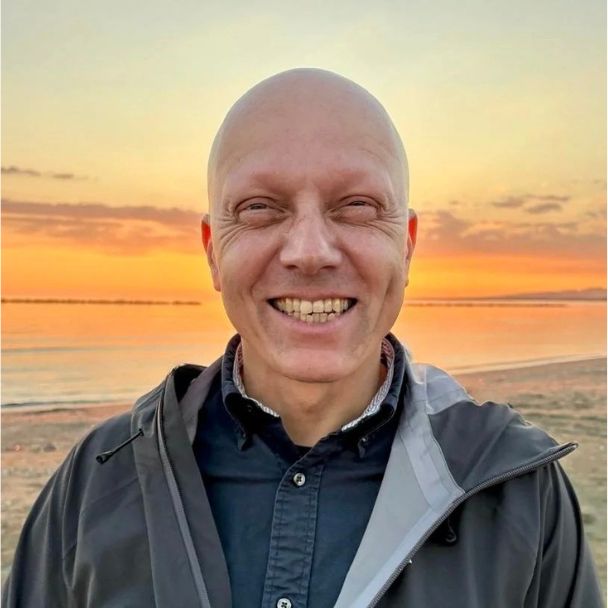
Nidal MD is an experienced facilitator of courses in hypnosis and meditation. This combination provides the perfect basis for utilizing the profound power of the conscious and the unconscious to support people’s natural yearning to relax and feel at one with themselves.
“So go on using the hypnotic technique for relaxation. It is bound to come to you. It will bring new light to your eyes, a new freshness to your being, and it will help you to understand what meditation is. It is just the first steps outside the door of the temple of meditation. With just deeper and deeper relaxation it becomes meditation. Meditation is the name of the deepest relaxation.” - Osho